HTML stands for HyperText Markup Language and is the basic structural element that is used to create webpages. HTML is a markup language, which means that it is used to “mark up” the content within a document, in this case a webpage, with structural and semantic information that tells a browser how to display a page.

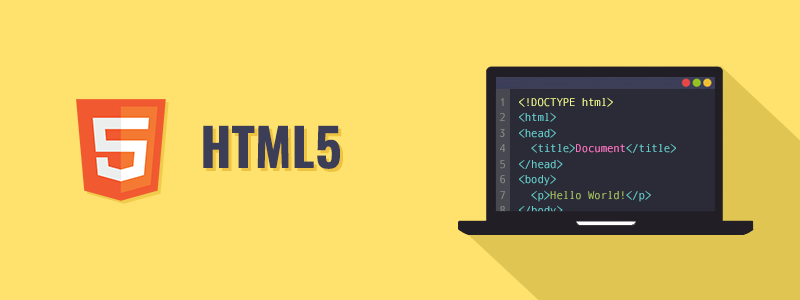
An HTML 4 document is composed of three parts:
- line containing HTML version information,
- declarative header section (delimited by the HEAD element),
- a body, which contains the document's actual content

Since the web was first created, there have been several different versions of HTML.
- HTML 4 Released 1997
- XHTML 1.0 Re leased 2000
- DOCTYPEs
- Comments in HTML
- IDAttribute
- Class Attribute
- IFrames
HTML5 and CSS3 have just arrived (kinda), and with them a whole new battle for the ‘best markup’ trophy has begun. Truth to be told, all these technologies are mere tools waiting for a skilled developer to work on the right project. As developers we shouldn’t get into pointless discussions of which markup is the best. They all lead to nowhere. Rather, we must get a brand new ideology and modify our coding habits to keep the web accessible.

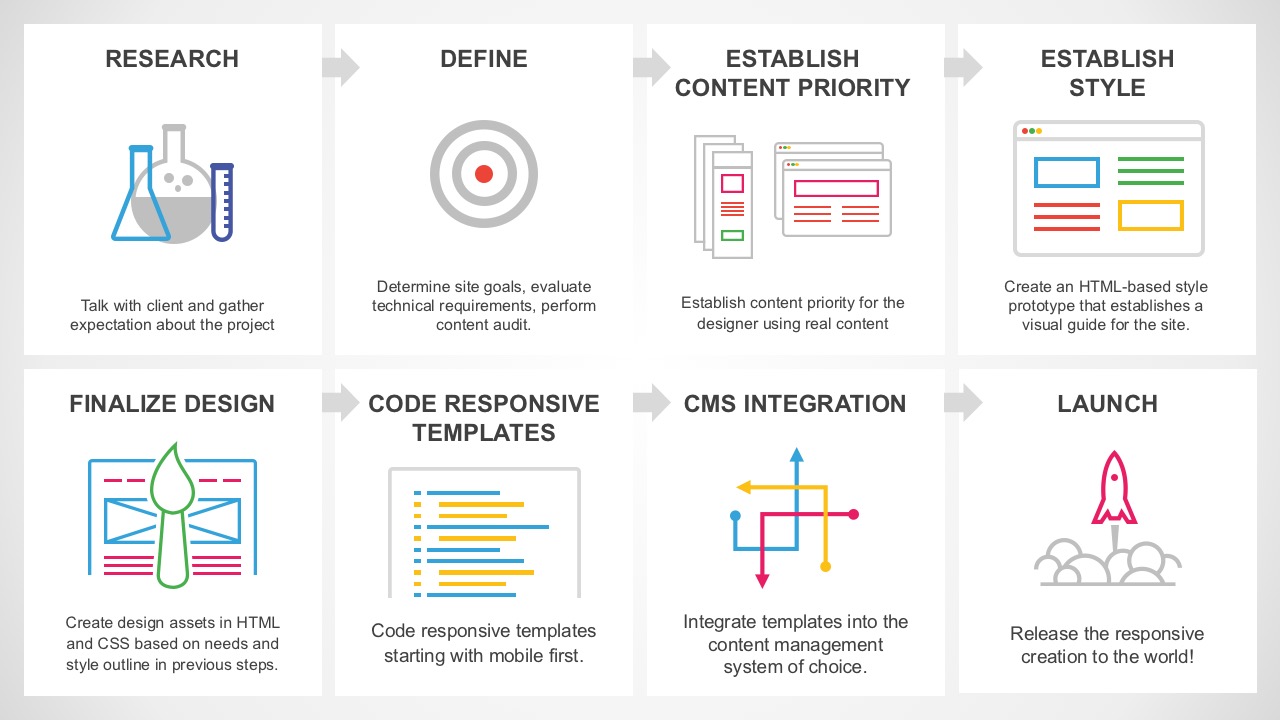
Web designers often think about the web design process with a focus on technical matters such as wireframes, code, and content management. But great design isn’t about how you integrate the social media buttons or even slick visuals. Great design is actually about having a website creation process that aligns with an overarching strategy.
JavaScript is a cross-platform, object-oriented scripting language used to make webpages interactive (e.g., having complex animations, clickable buttons, popup menus, etc.). There are also more advanced server side versions of JavaScript such as Node
Fast Track to JavaScript is written for the millions of people out there with a basic knowledge of computers, the Internet and HTML. Using JavaScript, programming novices can add professional interactive information to their Web sites, including animation, real-time updates, and visitor changeable screens. Included in the book is a series of sample applets including animated logos, a 3-D world that moves, and hyperlinks to sports providers for live score updates