
.png)
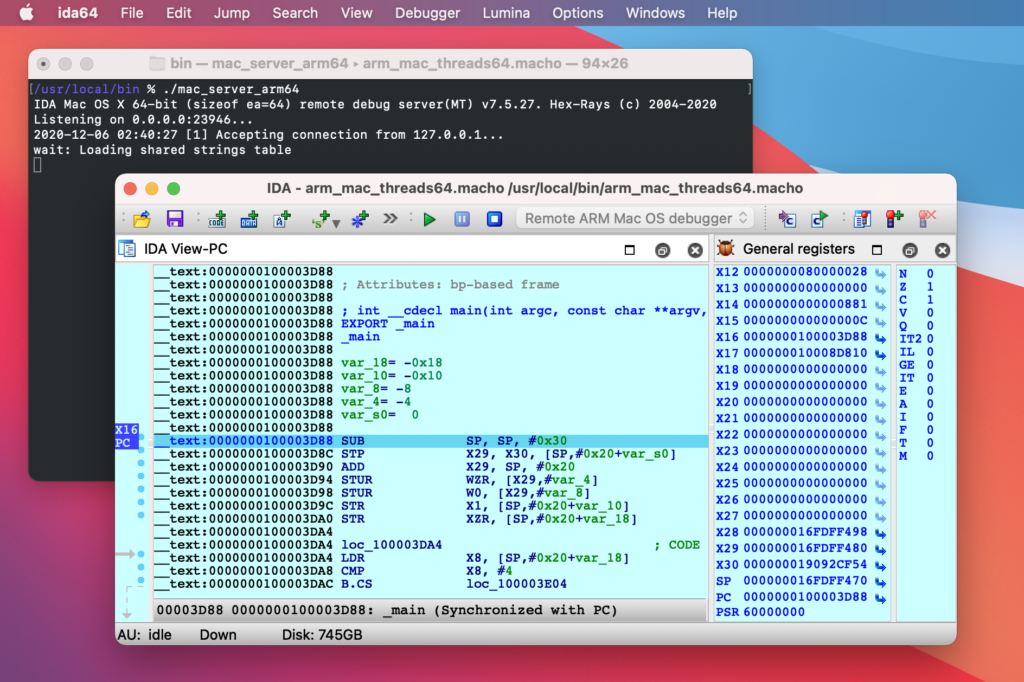
IDA Pro delivers professional binary analysis through comprehensive disassembly and debugging capabilities serving security researchers requiring reverse engineering tools. Universal processor support handles binaries from diverse architectures including x86, ARM, and MIPS through processor module library enabling analysis across various platforms from desktop applications through embedded firmware maintaining analysis capabilities regardless of target architecture proving essential for examining software across diverse platforms.
Higher-level comprehension through decompiler integration transforms assembly into C-like pseudocode dramatically improving understanding through readable representation enabling grasping program logic more efficiently than raw assembly proving valuable for complex tasks requiring understanding sophisticated algorithms implemented in binaries. Dynamic annotation via interactive disassembly enables adding comments and renaming variables creating well-documented analysis maintaining understanding across sessions preventing losing insights requiring rediscovery during subsequent examinations. Program structure visualization through graph displays shows control flow and call relationships aiding understanding organization and identifying key sections proving useful for navigating large complex binaries requiring systematic exploration of code execution flow.
Runtime examination through debugging capabilities executes code under controlled conditions examining behavior, registers, and memory during execution proving essential for understanding dynamic characteristics beyond static analysis revealing runtime mechanisms like anti-debugging or code generation requiring dynamic observation. Analysis automation via scripting supports IDAPython and IDC enabling custom script development extending functionality beyond built-in features accommodating specialized requirements through programmatic interface proving valuable for researchers developing custom methodologies requiring systematic processing. Functionality extension through plugin ecosystem provides community-developed additions from signature matching through binary diffing enabling customized workflows matching specific research requirements beyond core functionality.
Data flow tracing through cross-reference analysis identifies all locations accessing specific variables or calling functions proving essential for understanding dependencies enabling systematic examination of data propagation or code paths to security-critical functions. Automatic pattern recognition identifies library functions and known code reducing analysis effort by recognizing standard runtime libraries preventing wasting time analyzing well-understood functions enabling focus on unique application logic. Large binary handling maintains responsive operation when analyzing multi-megabyte executables ensuring comfortable analysis regardless of program size supporting examination of complex modern applications comprising millions of instructions requiring systematic processing.
- Multi-architecture support handling diverse processors
- Decompiler integration generating pseudocode output
- Interactive disassembly enabling dynamic annotations
- Graph visualization displaying control flow
- Debugging capabilities examining runtime behavior
- Scripting integration automating analysis tasks
- Plugin ecosystem extending functionality
- Cross-reference analysis tracing usage patterns
- Signature recognition identifying library functions
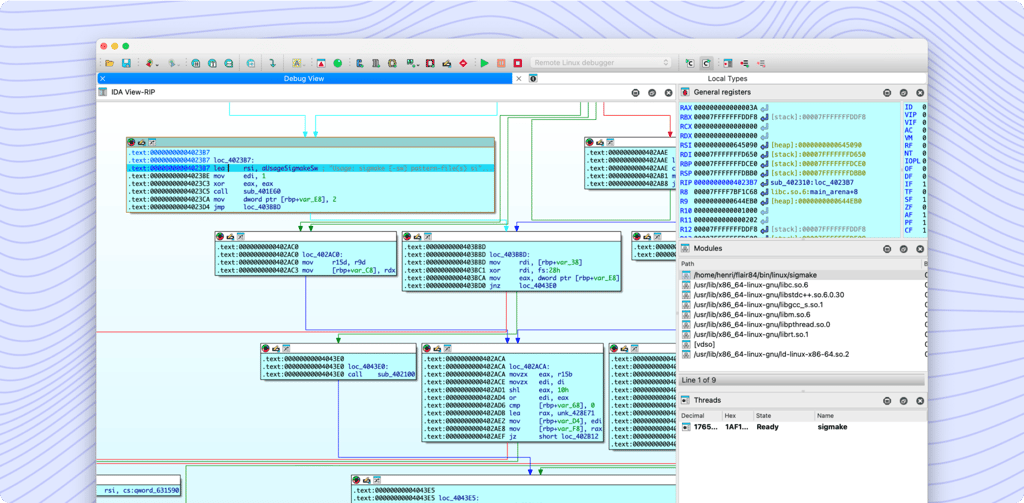
IDA Pro distinguishes itself through comprehensive reverse engineering capabilities beyond basic disassemblers. Unlike simple tools, decompiler integration and debugging support serve professional security research requirements.
Researchers appreciate scripting automation capabilities. IDAPython and IDC support enables developing custom analysis methodologies through programmatic interface accommodating specialized requirements beyond built-in features.
The application's plugin ecosystem extends functionality substantially. Community-developed additions provide specialized capabilities from signature matching through binary diffing customizing workflows matching specific research needs.