My name is Ariadna Sevcik, I'm a student of the Bachelor’s Degree in Video Games CITM, at UPC.
Most, if not all games have some sort of progression, it is that thing that makes players want to continue playing: passing through levels, getting stronger, getting new abilities, new weapons and armor, following a story, it keeps us going. There are a few types of progression.
This is the progression that motivates the player to get better at the game but without a direct influence of the game. A lot of fighting games have this type of progression in which the player gets better at the game from their own practicing and sometimes even studying of the game
This is the more common type in RPGs, extrinsic progression means that the progression happens inside the game, outside of the player. This one also gets divided further, it is important to note that none of these types of progression are exclusive, they are frequently mixed together:
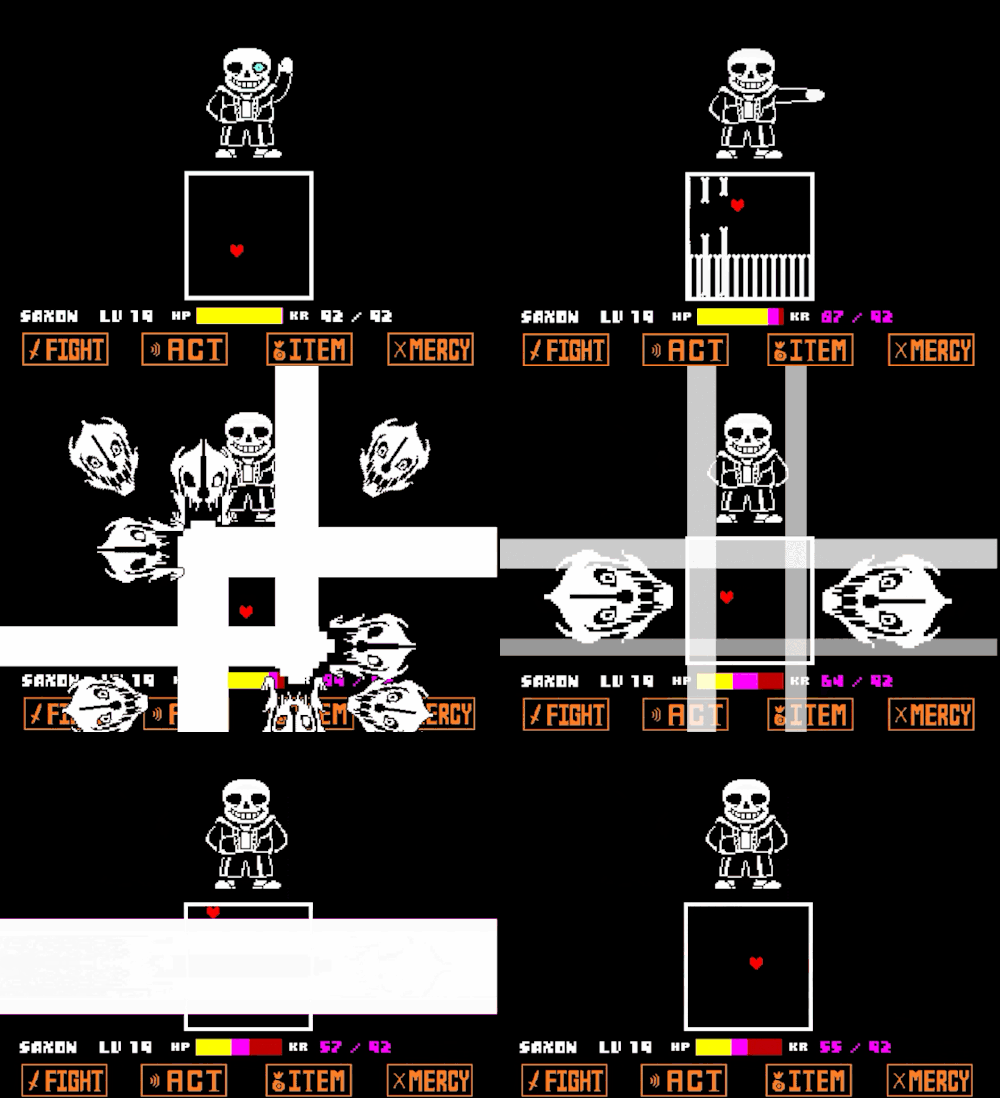
Direct progression: You have certain milestones that, when completed, give you a predetermined power or let you continue the story. Most Pokémon games along with games like Undertale or Spiritfarer fit into this category.
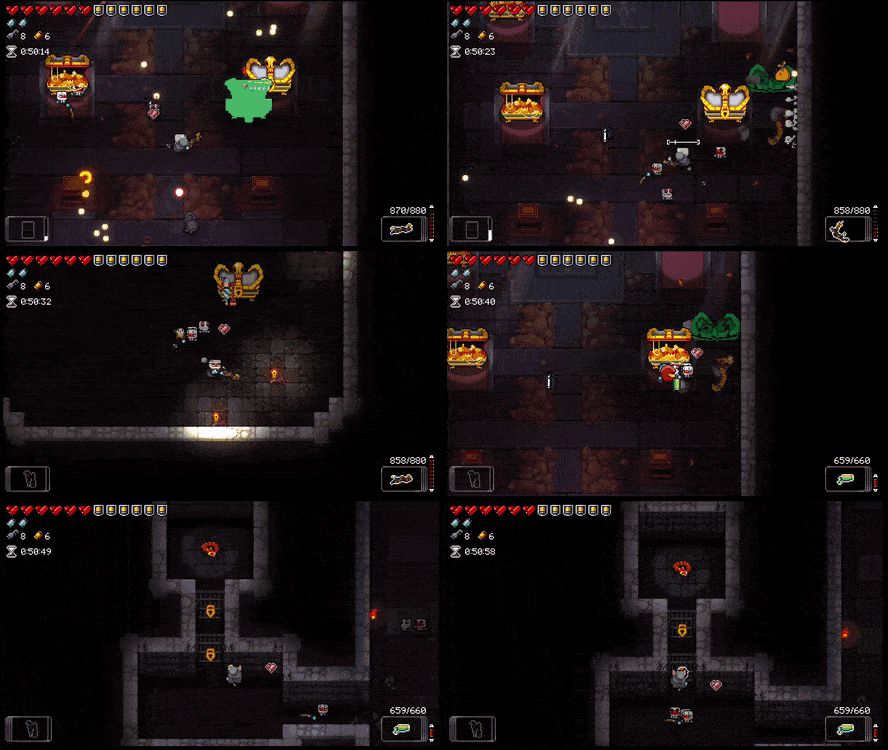
Independent progression: Here fall things like skins that you can get in some way but don’t change the game; weapons that are not better or worse than others, just work differently and other similar things. Independent progression can be used to get some short-term goals for the player. Enter the gungeon is one example of this.
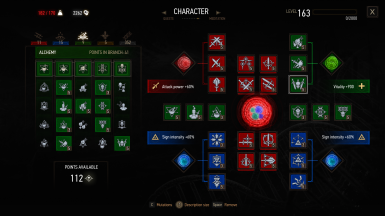
Customizable progression: This is mostly skill-trees, giving the player the ability to choose how they want a character or environment to evolve, each choice unlocking the possibility of specific evolution for the player. The Witcher and Assassin’s Creed have this type of progression
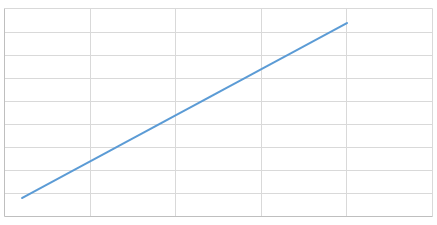
• Linear curve: Y = aX + b
• Quadratic curve: Y = aX² + bX + c
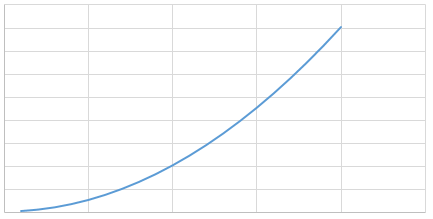
• Logarithmic curve: Y = aX + b(log X) + c
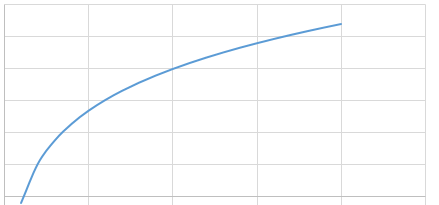
You can change any this formulas as it is more convinient for your game, or use a more complex one.
Using a formula to see how things should progress in your game means that most of the stats are done relatively easily, only needing to change stuff for specific cases like bosses
In RPGs there is generally some kind of loop: be presented with an enemy, fight the enemy, defeat or be defeated. If done correctly, players might not even feel the repetition since the game is bringing enough new things, keeping things fresh and entertaining; on the other hand it can become repetitive and tedious and while some players might stay with the promise of being able to progress eventually, some other might just get bored and quit, so we need to keep players engaged.
There are a few things that can help keep the players engaged:
• Immersive effects: just to be clear, this does not necessarily mean realistic in any way, but if interesting things are happening in the screen like particles and vibration while there is sound effects that correspond to what is happening it’s easier to stay engaged, although overdoing it can also be a problem since too much stuff can become overwhelming.
• Challenge: if you player keeps getting challenged by the stuff happening in the loop. Be it for puzzles with no completely correct answer or slight scaling (which can cause its own set of problems if done in exaggeration), if the player can’t just mindlessly keep doing the same thing over and over again
• Middle achievements: By giving the player small things to work toward or small events in between the big goals might make the progression not feel far and impossible to achieve normally.
Leveling Up Progression Systems: https://www.youtube.com/watch?v=gDQX3jk5xxc
How Great Games Beat The Grind: https://www.youtube.com/watch?v=nP1qLrXaDvE
What Makes a Good Level Up System?: https://www.youtube.com/watch?v=Ae_zvm0-CQU
How do you balance an RPG?: https://askagamedev.tumblr.com/post/634419522804334592/how-do-you-balance-an-rpg-seems-impossible-to-go
GameDesign Math: RPG Level-based Progression: https://www.davideaversa.it/blog/gamedesign-math-rpg-level-based-progression/
Level systems and character growth in RPG games: https://pavcreations.com/level-systems-and-character-growth-in-rpg-games/