
Integrate RISC‑V edge compute, AI, and ROS2 engineering into a reusable robotics foundation.
SpacemiT Robot SDK targets RISC‑V robotics platforms with a unified stack from system & peripherals, multimedia & acceleration, AI inference & interaction, through ROS2 feature packages—so you can turn capabilities into runnable whole‑robot solutions faster.
You do not need to assemble a complex software environment or master every detail of the build chain or ROS2 build mechanics. Robot SDK exposes a single set of shortcut commands for full builds and per‑component builds, turning repetitive steps into reusable workflows so you can focus on features and source changes.
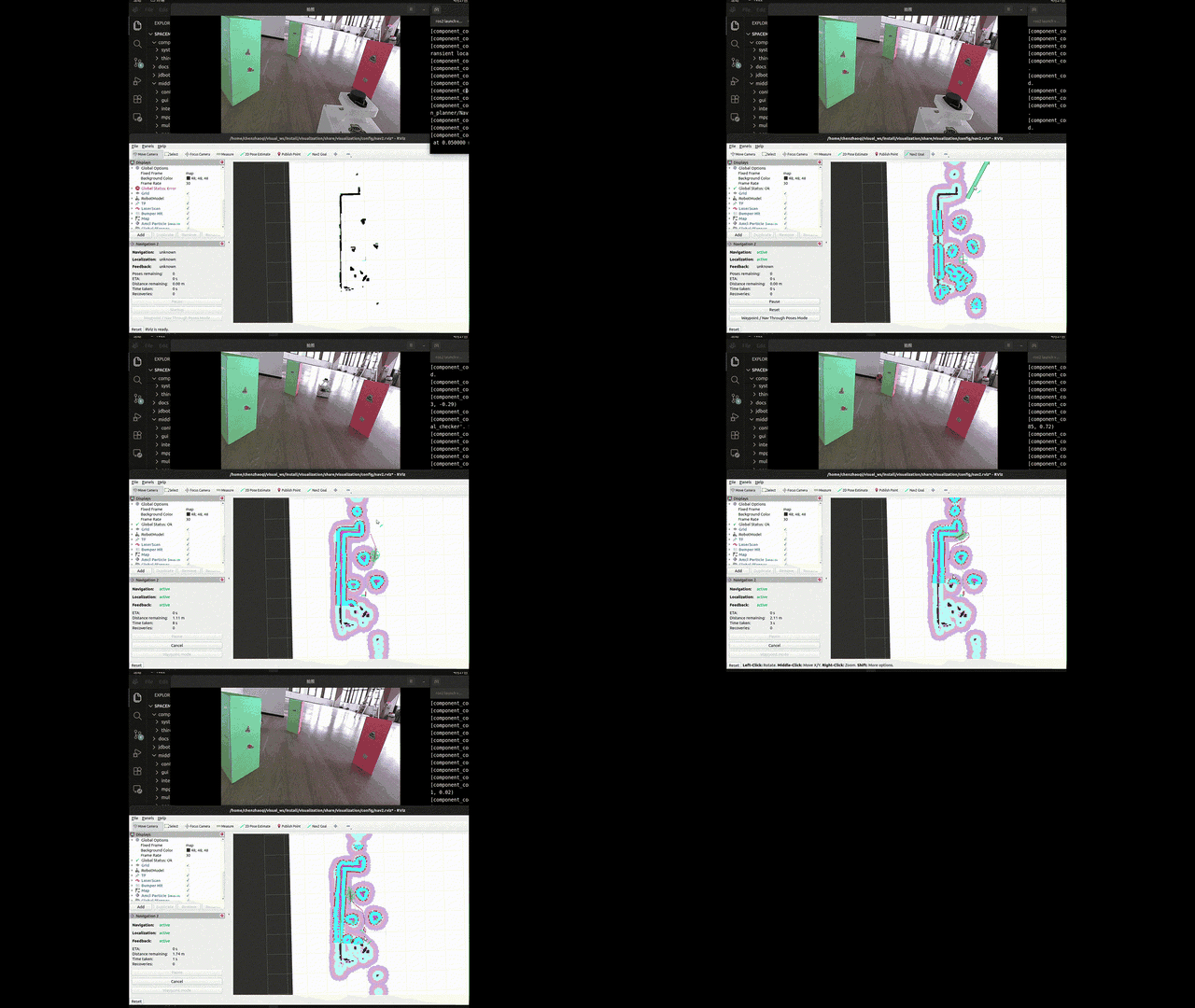 Wheeled robot patrol |
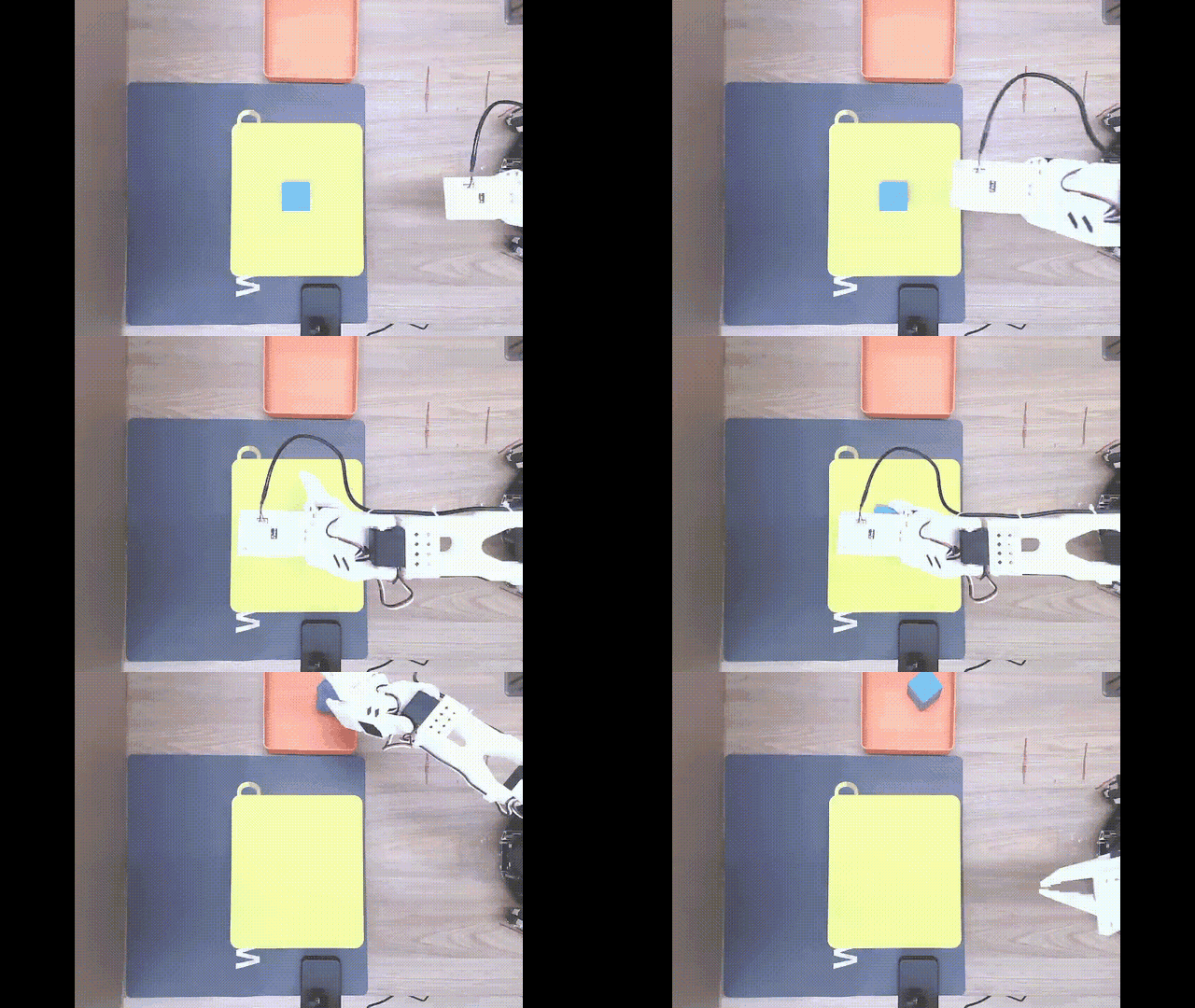 Manipulator pick‑and‑place |
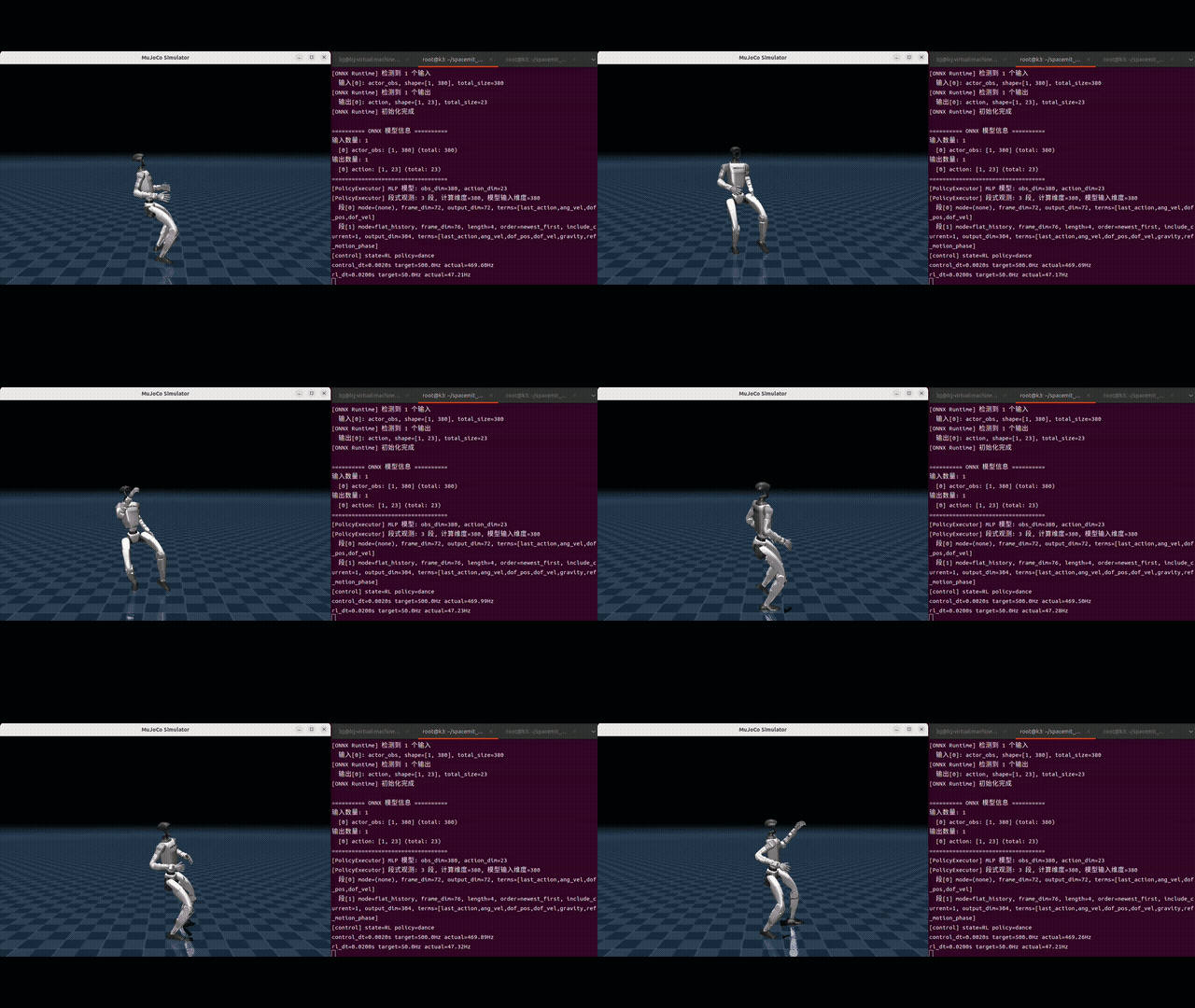 Humanoid dance demo |
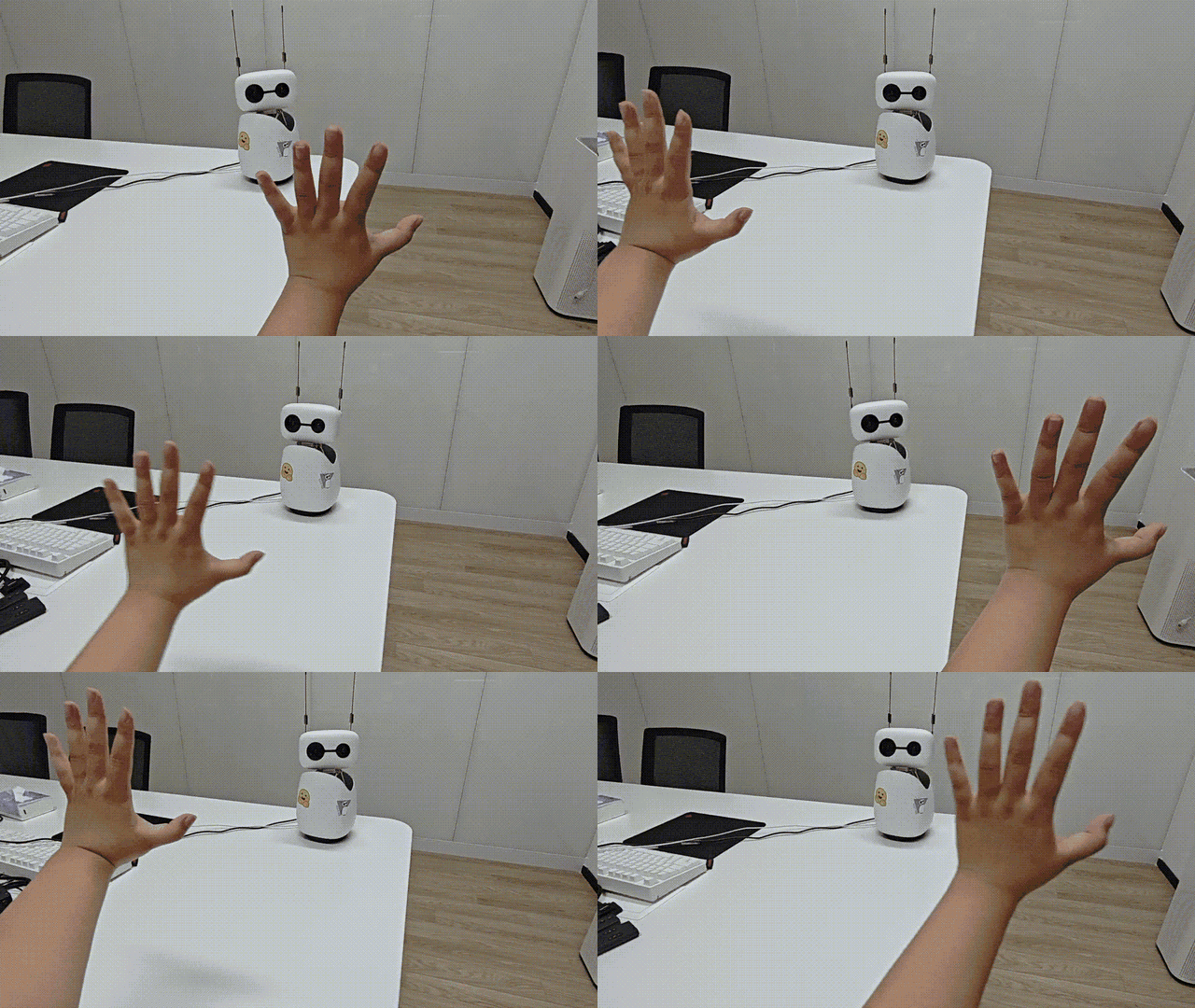 Reachy Mini gesture tracking |
- Reproducible end‑to‑end reference designs: Humanoids, wheeled robots, desktop robots, arms, quadrupeds, and other typical forms—aligned engineering composition and practice paths.
- Reusable on‑device AI: Vision / speech / LLM / VLM / Agent delivered as components and examples—validate standalone, then integrate on the robot.
- Composable ROS2 pipelines: Perception, control, SLAM, navigation, planning as packages—pick and extend by scenario.
- Product‑grade reproducible configuration: Combine repo/manifest selections for hardware/product targets—make “it runs” the default: maintainable and upgradable.
- Customizable system & platform base: Peripheral drivers, system services, shared memory / multimedia acceleration for edge real‑time and performance.
- Get something running first (shortest path): 02 — Quick start (overview)
- Reproduce an end‑to‑end design: 03 — Reference designs (overview)
- Browse by capability / module: topic hubs
- 04 — AI and algorithms (speech / vision / LLM / VLM / Agent)
- 05 — Robotics development (perception / control / SLAM / navigation / planning)
- 06 — System & platform (system services / peripherals / multimedia)
- Full TOC or other topics: ROS / SDK documentation hub (community) — root of the doc tree; open sections beyond the quick links above.

How to read the diagram (top to bottom):
- Application & reference designs: End‑to‑end apps and whole‑robot references (see 03 — Reference designs).
- Full‑stack toolchain: One‑click deploy, cloud‑native dev environments, production‑grade build tools, simulation & migration, on‑device AI deployment—to speed up development, verification, and delivery.
- Polymorphic middleware: ROS2 / DDS / custom protocols / multi‑process IPC / no‑middleware direct modes—for different system shapes and comms needs (see 05 — Robotics development).
- Core capability suite: AI components for vision / speech / LLM / VLM / Agent (see 04 — AI and algorithms); platform services, peripherals, multimedia (see 06 — System & platform).
- OS layer: Ubuntu / Bianbu / Buildroot and runtime environments.
- Kernel layer: Linux kernel / RTOS kernel.
- Compute platform: SpacemiT RISC‑V AI CPU.
spacemit_robot/
├── application/                 # Application recipes (case aggregation)
│   ├── native/                  # Non‑ROS2 applications
│   │   ├── reachy_mini/
│   │   ├── lerobot_app/
│   │   ├── omni_agent/
│   │   └── humanoid_*/
│   └── ros2/                    # ROS2 reference apps
│       └── linksee/
├── middleware/
│   └── ros2/                    # ROS2 middleware layer
│       ├── perception/ planning/ slam/
│       ├── control/ peripherals/ interfaces/
│       └── multimedia/ mpp/ gui/ tools/
├── components/                  # Shared capability components
│   ├── peripherals/ multimedia/ model_zoo/
│   ├── control/ ai-gateway/ agent_tools/
│   └── simulation/ system/ rvv_libs/ thirdparty/
├── target/                      # Hardware / product configuration
└── build/                       # One‑shot build scripts
Directory layout highlights:
- Capabilities vs framework—not locked into ROS2:
components/holds devices, models, multimedia, control, etc.;middleware/adapts and orchestrates transports (e.g. ROS2). Ship native first, then add ROS2, Fast DDS, custom stacks, or direct modes—without upfront middleware coupling. - Apps decoupled from capabilities: Apps (
reachy_mini,humanoid_*,application/ros2such aslinksee) share the same bottom layers; new form factors are mostly swapping application bundles, not rewriting capabilities. - Composable checkout:
repo init -ggroups let you fetch humanoid / wheeled / desktop / perception / planning‑control slices—smaller trees and faster iteration. - Fast composition for solutions: New products assemble selected components + middleware + app shell +
targetprofile—demonstrable, iterative, and maintainable vs. greenfield stacks.
- Release notes & compatibility: 07 — Version notes
Come by the SpacemiT Robot GitHub community often and take a look around. Click Follow in the upper-right corner to keep the community easy to find; if you see a repository you are interested in, feel free to give it a Star. If you run into problems, hit a snag, or have a new idea, open an Issue in the relevant repository. We will follow up promptly and share the result.